Is That New Mole Harmful? How Dermatologists Spot the Early Signs of Melanoma
Oct 27, 2026
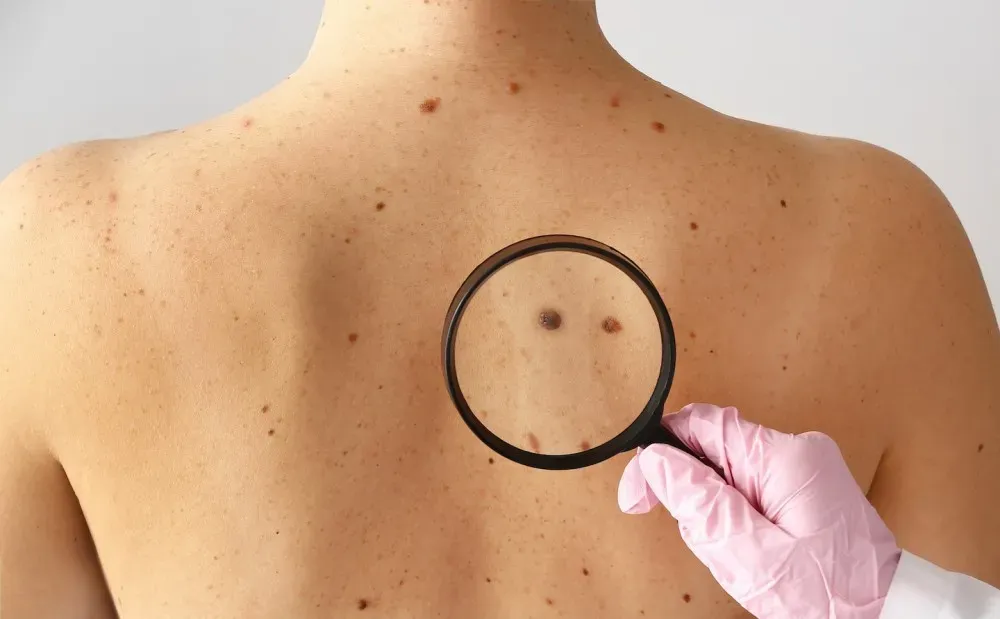
Your skin is constantly evolving, reacting to sun exposure, environmental stress, and natural aging. While the vast majority of moles and freckles are entirely harmless, the unexpected appearance of a new spot or subtle changes in an existing mole can be an early warning sign of skin cancer—most notably melanoma. Melanoma is the most aggressive form of skin cancer, originating in the pigment-producing cells (melanocytes) of the skin. When caught early, melanoma is highly treatable, but left unmanaged, it can rapidly invade deeper tissue layers and spread to other parts of the body. At Skin Cancer Specialists, our fellowship-trained Mohs surgeons and skin cancer specialists provide comprehensive diagnostic evaluations and advanced surgical interventions to catch skin cancer early and protect your long-term health.
Dermatologists use the simple, effective "ABCDE" criteria to help patients recognize potential warning signs of melanoma during monthly self-exams at home:
In addition to the ABCDEs, dermatologists often look for the "Ugly Duckling" sign—a single mole that looks completely distinct from all the other spots on your body.
If you notice a suspicious spot, scheduling a professional evaluation is essential for an accurate diagnosis. Visual inspection alone cannot confirm skin cancer; a dermatologic specialist performs a thorough clinical evaluation to determine if further testing is needed.
During your evaluation, your provider may perform:
Depending on how advanced a melanoma skin cancer diagnosis is, our team at Skin Cancer Specialists recommends tailored treatment strategies to destroy cancerous cells and prevent them from spreading throughout the body:
When facing a potential skin cancer diagnosis, expertise and efficiency matter. Located conveniently off Southern and Dobson, just minutes from the 101 or 60, our practice is dedicated exclusively to advanced skin cancer treatment. Whenever appropriate, we offer same-day consultations and procedures to give you rapid answers and total peace of mind.
Have you noticed a new or changing mole on your skin? Visit Skin Cancer Specialists today or call our office to schedule your melanoma evaluation.